


Dining Outside in the UK: Planning a Covered Table
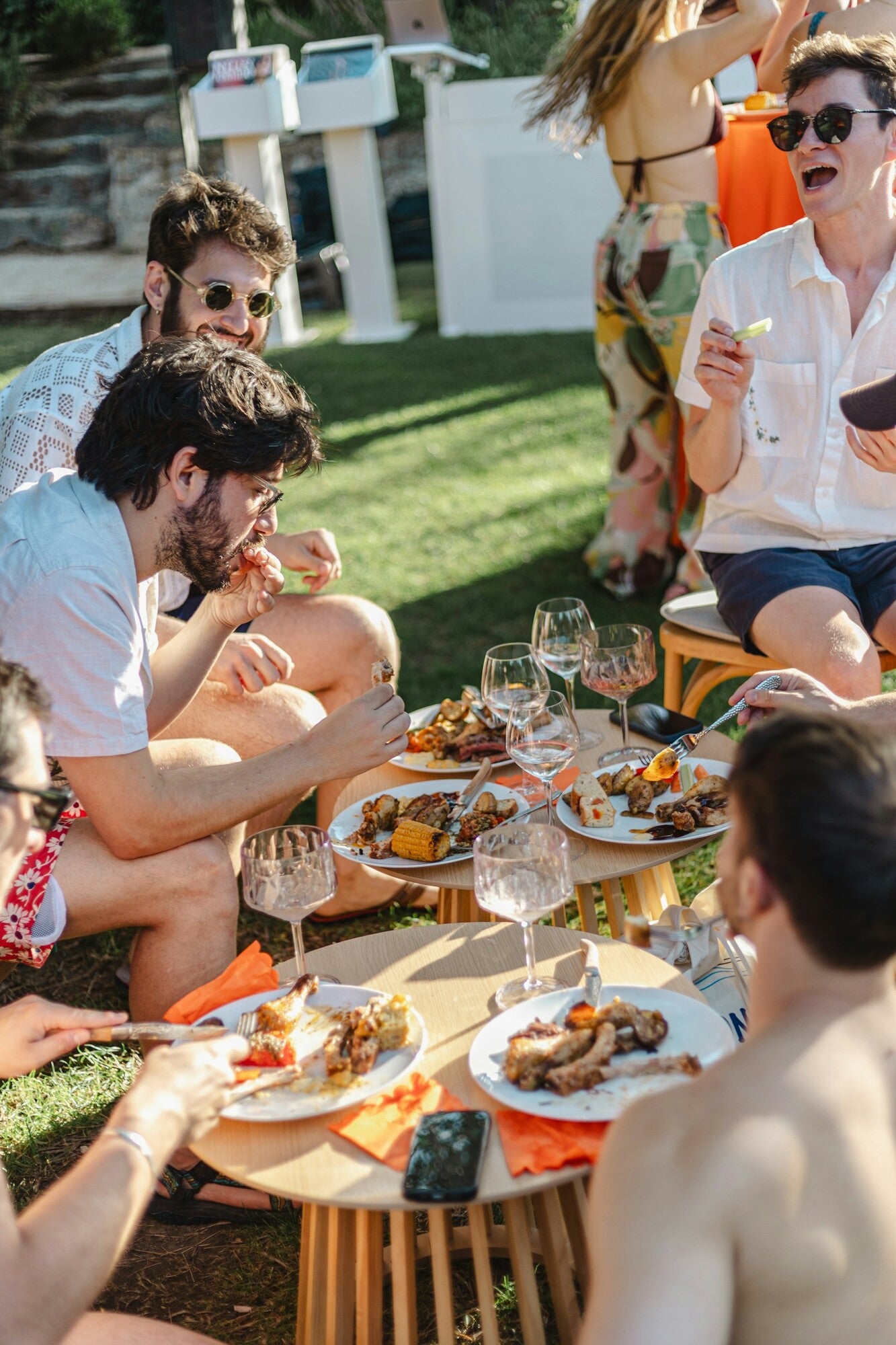
When people picture the garden at its best, they usually picture a table. A long lunch in the sun that turns into an afternoon. Dinner outside on a warm evening, with the light going gold and nobody in a hurry to clear the plates. It is one of the great pleasures of having a garden, and in the UK it is also one of the most weather-dependent.
A covered dining space takes the gamble out of it. With a roof overhead, the meal goes ahead whatever the forecast, and with the right setup it can carry on well into autumn.
Why Eating Outside Feels So Good
There is something about eating outdoors that makes food taste better and conversation flow more easily. Part of it is the setting: fresh air, natural light, the sounds of the garden. Part of it is that eating outside tends to be slower and more sociable. Meals stretch out. People linger. Phones stay in pockets more often.
Many of the cultures that live longest and most contentedly share long, unhurried outdoor meals with family and friends. The Spanish have a word, sobremesa, for the time spent talking at the table after the meal is finished. It is not a recipe for health, exactly, but it is hard to argue that more of it would do anyone harm.
Getting the Size Right
The most common mistake with outdoor dining spaces is making them too small. A table for six needs a surprising amount of room once chairs are pulled out and people can walk behind them. As a rough guide, allow at least a metre around the table on every side where people will sit.
That usually means a covered area of at least three metres deep for a table along it, and more if the table runs across the depth. Measure your actual table, or the one you plan to buy, and draw it out on the patio with chalk before deciding on the size.
Where to Put the Table
Ideally, close to the kitchen. Every trip carrying plates, pans and glasses is easier if the table is a few steps from the door, and the meal flows more naturally between inside and out.
Then think about the sun. A table that is in full sun at lunchtime may need shade. One used mostly in the evening will want the low western light. And think about the view: sitting at the table, what do you look at? The garden is better than the back fence.
Shelter for Every Kind of Weather
Rain. The roof deals with most of it. Glass is quieter than polycarbonate, which makes a difference when you are trying to talk over a shower.
Sun. For midday meals in summer, shade on the roof or a louvred roof that tilts makes the space far more comfortable.
Wind. A side wall on the windward side, glass or louvres, stops napkins blowing away and keeps the space comfortable as the evening cools.
Cold. An infrared heater over the table extends dining season by months. Point it at the people, not the floor.

Lighting the Table
For dinner, light needs to be good enough to see your food and the faces around you, but warm and soft enough to feel relaxed. Recessed spotlights over the table, set to a warm white and on a dimmer, do this well. A few candles or lanterns on the table add a glow that LEDs cannot match.
Making It Easy
The best outdoor dining spaces are ready to use. Chairs that can stay out under the roof. Cushions in a storage box. A heater on a switch by the back door. Lighting that comes on with one press. When setting up is easy, you eat outside more, and when you eat outside more, the evenings get longer.
Choosing Furniture
Outdoor dining furniture under a roof has an easier life than furniture in the open, but it still needs to cope with damp and temperature changes.
Aluminium is light, rust-free and low-maintenance.
Teak and other hardwoods age to a silver grey and are very durable, though they benefit from an occasional clean.
Woven synthetic rattan is comfortable and weather-resistant.
Cushions should be outdoor-grade, quick-drying and ideally stored in a box when not in use.
Choose chairs you can sit in comfortably for a long time. Outdoor meals tend to last longer than indoor ones.
Cooking Outside
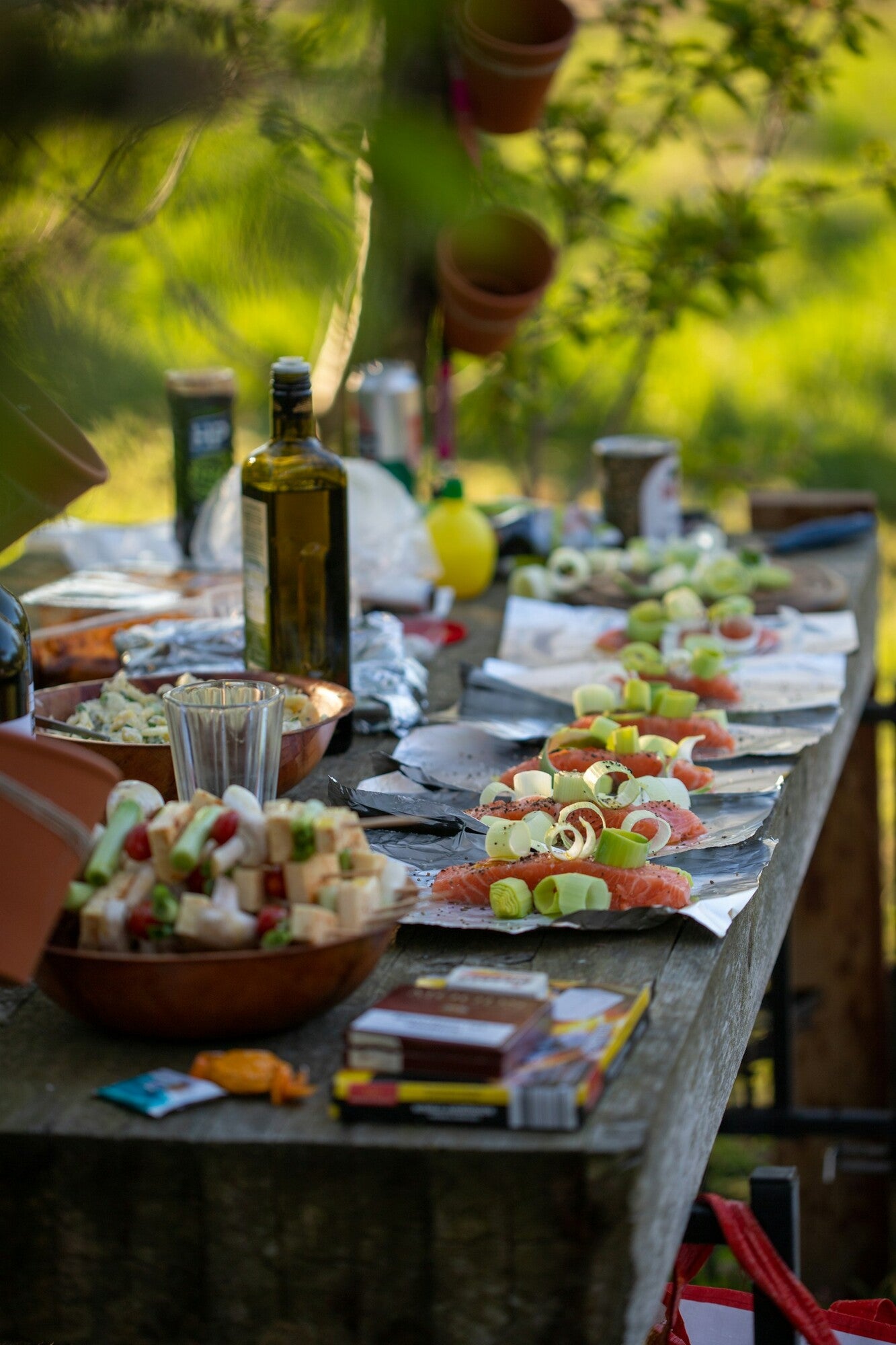
Many people add an outdoor kitchen or barbecue near the dining area. If so, keep any grill or flame well away from the roof and side walls, follow the manufacturer's clearance guidance, and position it so smoke does not drift straight across the table. Electric grills and plancha plates are increasingly popular for use near covered spaces.
Quick Answers
How big should the covered area be for a table of six? Usually at least three by four metres, but measure your table and chairs.
Can I use a heater over a dining table? Yes. Mount it above the table, aimed at where people sit, and follow clearance guidance.
What lighting works best? Warm, dimmable spotlights over the table, plus candles or lanterns for atmosphere.
Want a sheltered spot to enjoy more of this?
Book a free virtual appointment and we'll talk through a covered space that suits your garden and the way you use it — no pressure, just straight advice.


