


The Night Sky From Your Garden: Meteors, Auroras and Dark Skies
Winter is the season for stargazing. The nights are long, the air is often clear and some of the best astronomical events of the year happen between December and February. And you do not need to travel anywhere to enjoy them. A dark corner of the garden, a warm coat and a bit of patience are all it takes.
The Geminids: The Best Meteor Shower of the Year
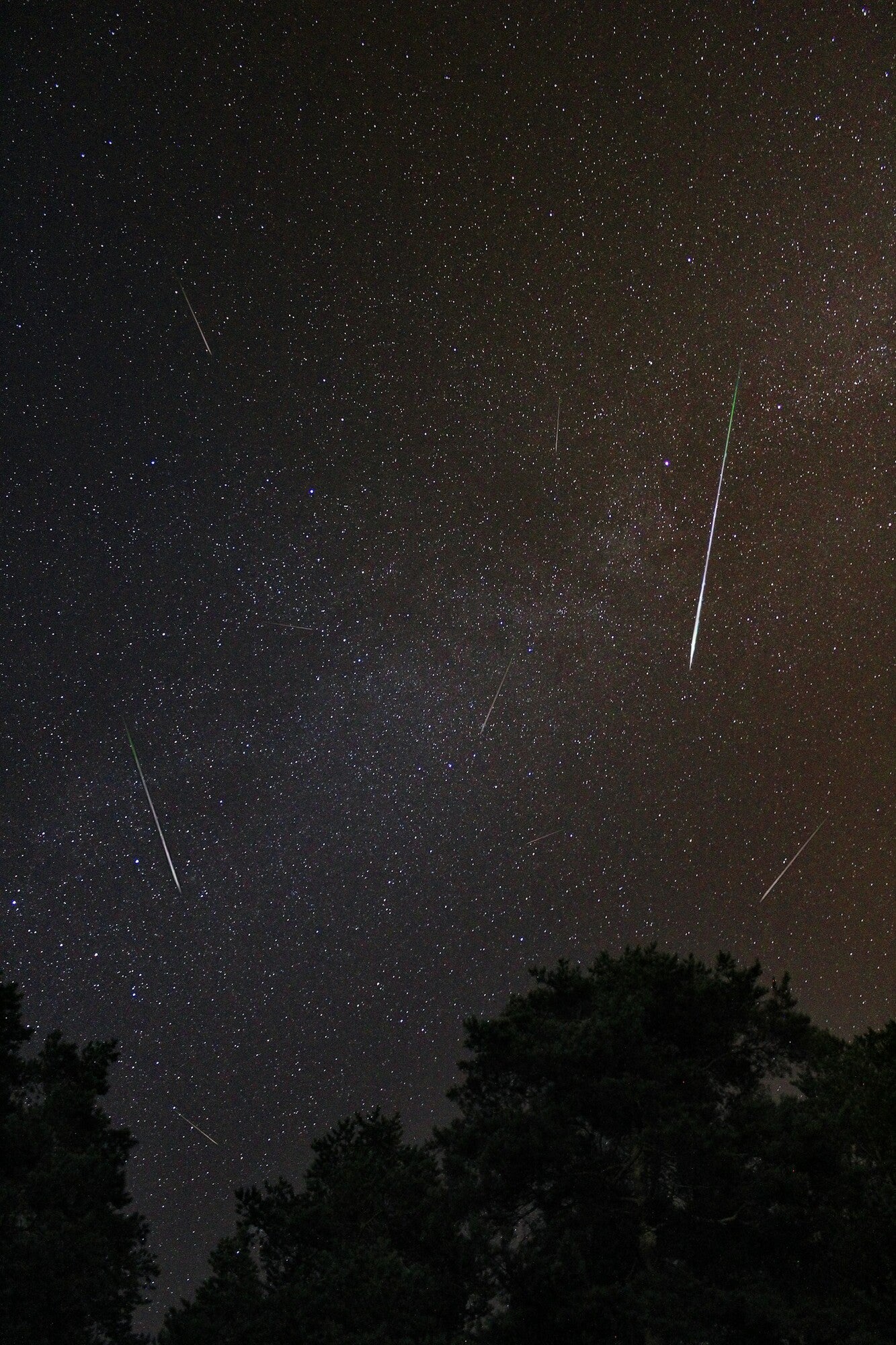
The Geminid meteor shower peaks every year around 13 to 14 December, and it is widely considered the best of the annual showers. Under a dark sky, you might see dozens of meteors an hour at the peak, and they are often bright and slow.
Unlike most meteor showers, which come from comets, the Geminids come from an object called 3200 Phaethon, which seems to be a rocky asteroid. The meteors appear to come from the constellation Gemini, which rises in the evening, so the Geminids are active from mid-evening onwards rather than only in the small hours. That makes them unusually friendly for people who would rather not stay up all night.
The Quadrantids: Brief but Brilliant
The Quadrantids peak in the first few days of January. They can be as strong as the Geminids, but the peak is very short, sometimes only a few hours, so timing and weather need to be on your side. They appear to come from the north-east of the sky, near the handle of the Plough, and are best seen in the hours before dawn.
The Northern Lights, Further South
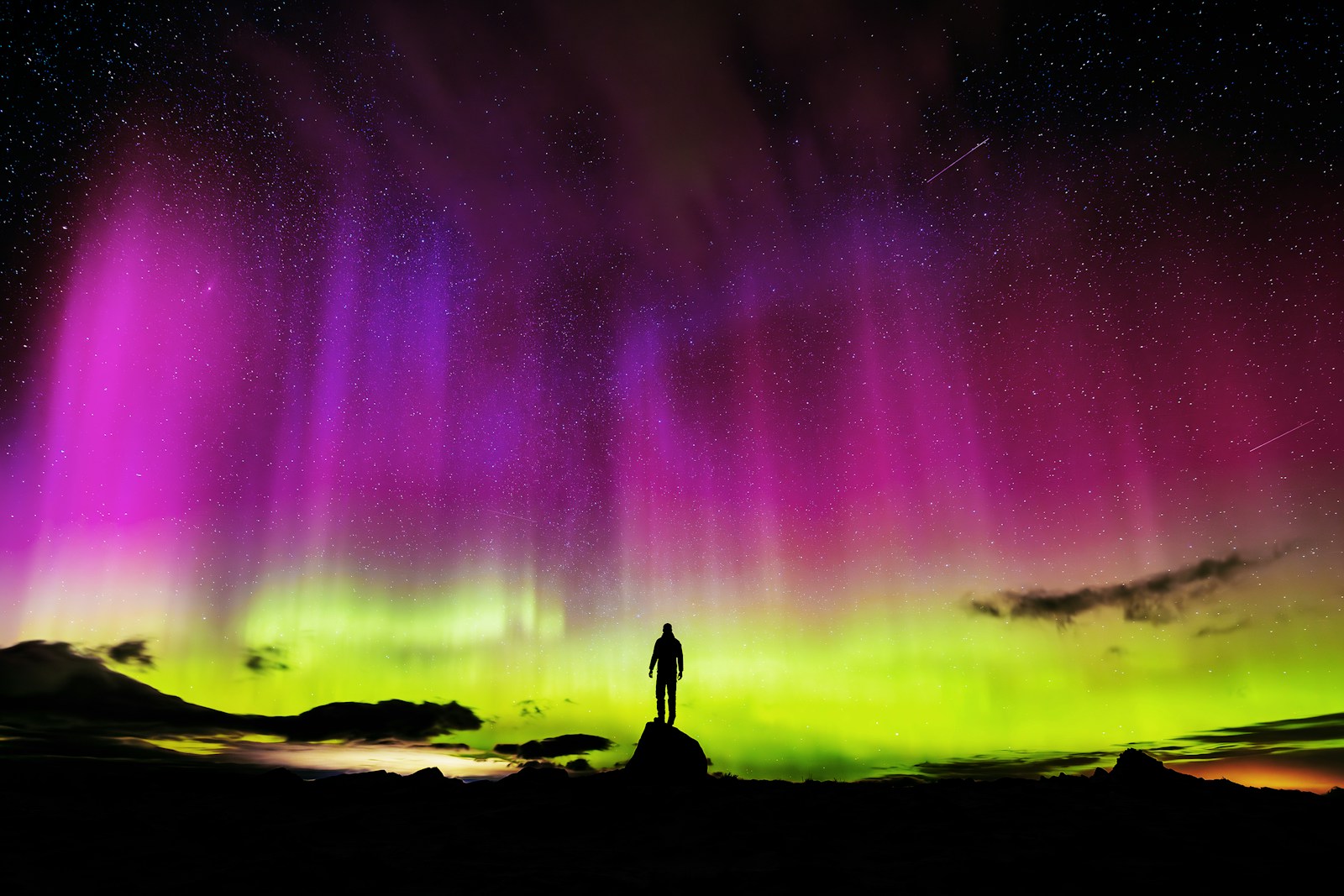
In recent years, the aurora has been seen across much of Britain, including in southern England, on several memorable nights. This is because the Sun has been near the peak of its roughly 11-year cycle of activity, producing more of the solar storms that cause auroras.
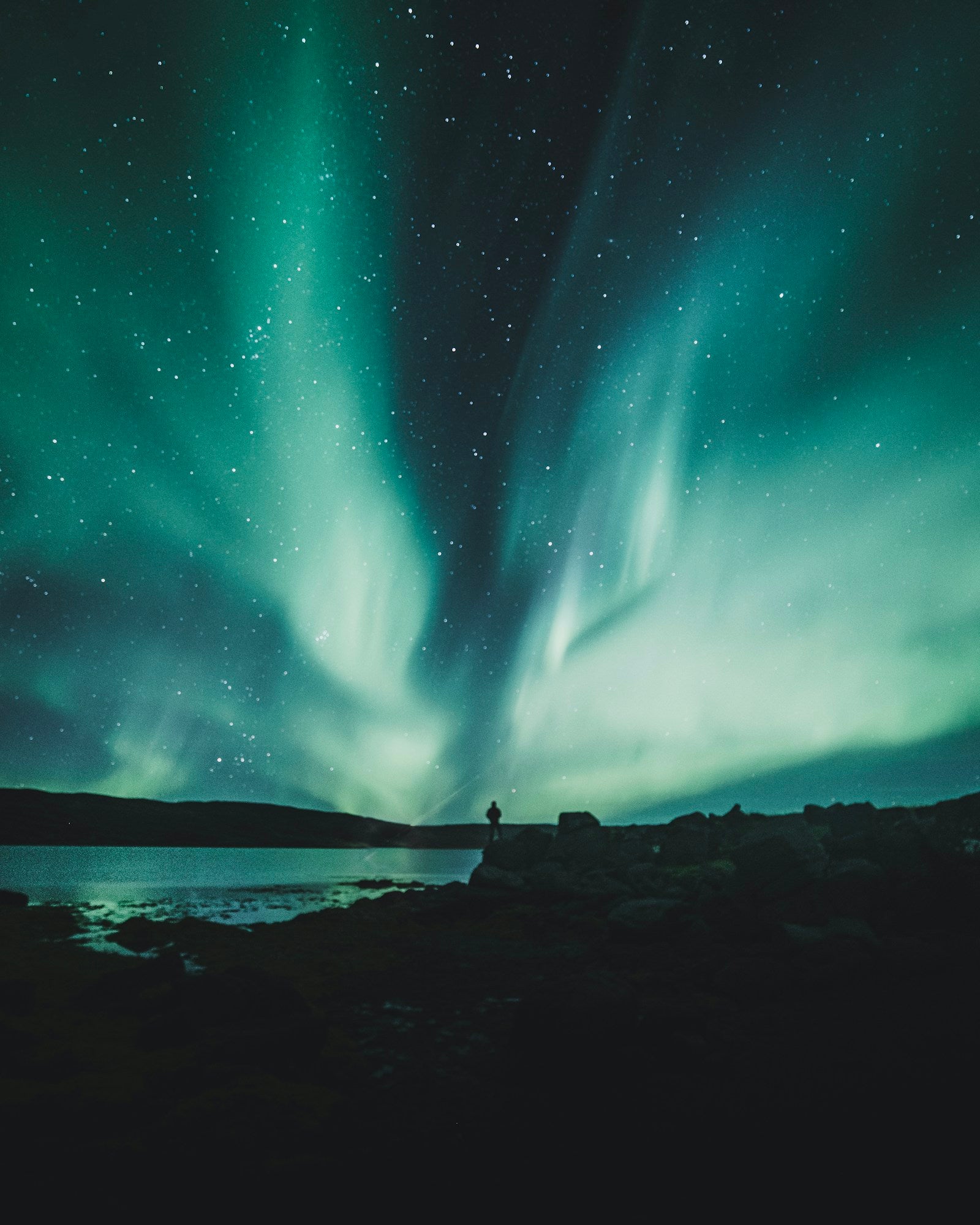
Auroras happen when charged particles from the Sun hit the Earth's upper atmosphere and make it glow. Usually this is visible only near the poles, but during strong storms the aurora can be seen much further south. Interestingly, the same storms produce aurora in the southern hemisphere too, so on some nights people in New Zealand and Tasmania have been watching the southern lights at the same time.
Phone cameras often pick up auroras better than the naked eye, showing pinks and greens that look grey to us in the dark. If an aurora alert goes out, it is worth stepping outside and taking a photo of the northern sky, even if you cannot see much.
How to See More From Home
Turn off the lights. Outdoor lights, and especially bright security lights, make it much harder to see faint stars and meteors. Turn them off, and close the curtains behind you.
Give your eyes time. It takes around 20 minutes for your eyes to fully adjust to the dark. Avoid looking at your phone, or use a red light.
Look up and wide. Meteors can appear anywhere in the sky. Lie back on a lounger, face roughly the darkest part of the sky and take in as much of it as you can.
Check the Moon. A bright Moon washes out fainter meteors. Look up the moon phase before you plan a night out.
Dress for it. Standing still on a winter night gets cold quickly. A hat, gloves, a warm coat, a blanket and a flask of something hot make all the difference.
Why Stargazing Is Good for You
There is a particular feeling that comes from looking up at a dark sky full of stars: a sense of scale, of quiet, of being a small part of something enormous. Researchers who study awe suggest that experiences like this can help shift attention away from everyday worries and leave people feeling calmer and more connected.
It is also one of the few outdoor activities that is at its best in winter. A clear December night, the garden dark and still, a warm drink in your hands and a meteor streaking across the sky: it is hard to think of a better reason to step outside.
Other Things to Look For
The Moon. Even through binoculars, the craters and mountains along the edge of the lit part of the Moon are spectacular.
Planets. Venus, Jupiter, Saturn and Mars are often visible and are brighter and steadier than stars. Free apps show where they are.
The International Space Station. It passes over regularly, looking like a bright, steady star moving across the sky in a few minutes. Websites and apps give pass times.
The Milky Way. On a dark, moonless night away from street lights, the band of our galaxy is visible across the sky.
Orion. The great winter constellation, easy to find by its three-star belt, with the reddish star Betelgeuse at one shoulder.
Reducing Light Pollution at Home
Outdoor lights that shine upwards and outwards waste energy and wash out the night sky. Choosing warm, downward-facing fittings, using motion sensors rather than leaving lights on all night and dimming lights after a certain hour all help, both for your own stargazing and for wildlife.
Quick Answers
Do I need a telescope? No. Most of the best sights, including meteor showers and auroras, are best seen with the naked eye. Binoculars are a great next step.
What is the best time for meteor showers? Usually after midnight, though the Geminids are good from mid-evening.
How do I know if an aurora is likely? Aurora alert services and apps send notifications when activity is high.
Want somewhere sheltered to watch the seasons change?
Book a free virtual appointment and we'll talk through a covered space that lets you enjoy the garden in every weather — no pressure, just straight advice.


