


Kids and the Outdoors: Why It Matters, Plus Ideas for Half-Term
Ask anyone over forty about their childhood and the stories are often outdoor ones: building dens, climbing trees, coming home only when it got dark. For many children today, outdoor play is much more limited. Screens, busier schedules, smaller gardens and worries about safety all play a part, and surveys regularly find children spending less time outdoors than their parents did.
That matters, because time outside does a great deal for children that is hard to get any other way.
Why Outdoor Play Matters
Movement. Outdoors, children run, climb, jump, balance and dig in ways they simply cannot indoors. That kind of play builds strength, coordination and confidence, and helps them get the daily physical activity they need. In the UK, guidance suggests children and young people should be active for an average of at least 60 minutes a day.
Eyes. There is growing evidence that time spent outdoors in daylight helps protect children's eyes as they develop, and that children who spend more time outside are less likely to become short-sighted.
Sleep. Daylight and physical activity both help children sleep better, just as they do for adults.
Mood and attention. Children, like adults, seem calmer and more focused after time in green spaces. Unstructured outdoor play also gives them room to use their imagination, take small risks and solve problems for themselves.
Connection. Children who spend time in nature tend to care about it more as they grow up. Learning to recognise a robin or find a worm is the beginning of a lifelong relationship with the natural world.

Making It Easier
The main obstacles to outdoor play are usually practical: rain, mud, cold and parents who would rather be inside.
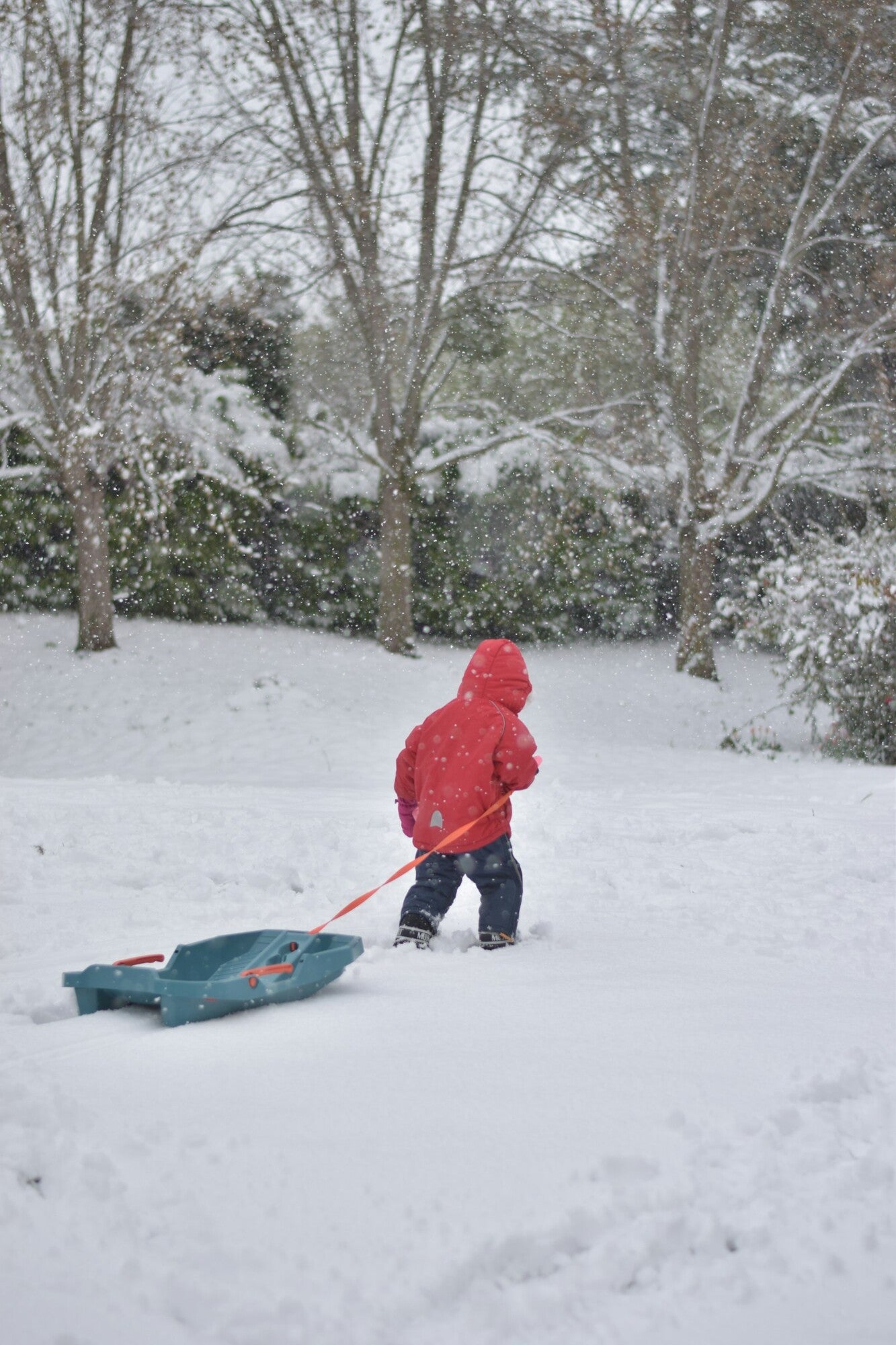
Dress them properly. Waterproof trousers, wellies and a good coat turn rain from a reason to stay in into an opportunity. Puddles are a feature, not a problem.
Give them shelter. A covered space in the garden means there is somewhere to play when it is pouring, somewhere for parents to sit with a cup of tea while keeping an eye on things, and somewhere to take off wet boots before coming in.
Leave stuff out. Chalk, a box of balls, a magnifying glass, buckets and spades. If it is easy to grab, it gets used.
Go out with them. Children are more likely to play outside if adults are out there too, even just sitting under the roof reading.
Half-Term Ideas, Whatever the Weather
Bug hunt. Turn over logs and stones and see what lives underneath. Put everything back carefully afterwards.
Bird count. Give them a list of common garden birds and see how many they can spot in an hour.
Build a den. Sticks, an old sheet, a few pegs. Under a veranda roof, it can be a rainy-day den.
Mud kitchen. Old pots and pans, soil, water and leaves. Messy, imaginative and endlessly absorbing.
Puddle jumping. The rainier the better. Measure the splash.
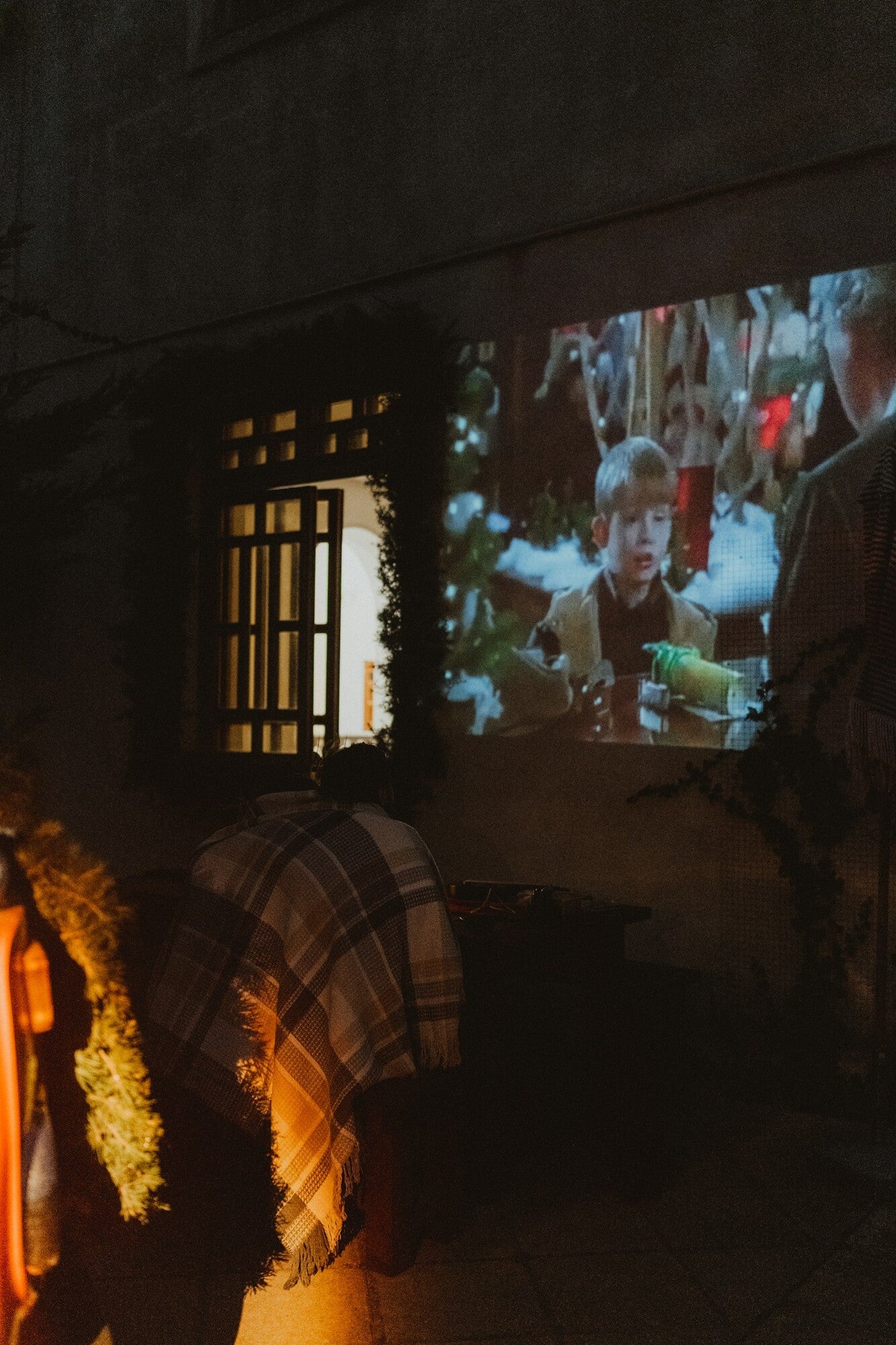
Outdoor cinema. Hang a sheet under the veranda, set up a projector, add blankets and hot chocolate. A winter evening event they will remember.
Night walk. Wrap up, take torches and go round the garden or the local park after dark. Look for stars, listen for owls.
Grow something. Cress, sunflowers or a pot of strawberries. Something that changes quickly enough to hold their interest.
The Long View
Childhood is short, and many of the habits formed in it last for life. Children who grow up treating the outdoors as part of everyday life tend to carry that into adulthood. Making the garden an easy, inviting place to be, in all seasons and all weather, is one of the simplest gifts you can give them.
Risky Play, Sensibly
Outdoor play often involves a little risk: climbing, balancing, jumping off things, getting muddy. Child development experts increasingly see this kind of manageable risk as valuable, helping children build confidence, judgement and resilience. The aim is not to remove every bump and scrape but to avoid serious hazards while letting children test themselves.
In a garden, that might mean a low wall to balance on, a tree to climb with supervision, or simply the freedom to get muddy without being told off.
Screens and the Outdoors
Many parents worry about screen time, and getting children outside is one of the most natural ways to balance it. Rather than banning screens, it can help to make the outdoors more appealing: a den, a project, friends round, a fire pit with marshmallows. Children are more likely to choose the garden if it is interesting and if adults are out there too.
Quick Answers
What if my children do not like being outside? Start with what they enjoy: a ball game, a bug hunt, a camp in the garden. Follow their interests rather than imposing yours.
Is it OK for children to play out in the cold? Yes, with suitable clothing. Watch younger children closely, as they get cold faster, and bring them in for warm drinks regularly.
How much time outside is enough? There is no magic number, but more is generally better. Daily outdoor time, even short, helps with activity, sleep and mood.
Want a sheltered spot to enjoy more of this?
Book a free virtual appointment and we'll talk through a covered space that suits your garden and the way you use it — no pressure, just straight advice.


