


How the World Gets Outside: Friluftsliv, Hygge, Uitwaaien and More
Some of the most useful ideas about wellbeing come not from labs but from cultures that have quietly been doing things well for a very long time. Many of them have words for ways of being outdoors that English does not. Here are a few worth knowing, and a few ideas to borrow.
Friluftsliv (Norway)
Literally "free air life", friluftsliv is the Norwegian idea that spending time outdoors is a natural, essential part of a good life. It is not about extreme sport or grand adventure. It is about getting out into nature regularly, whatever the weather, for walks, skiing, picnics, foraging or simply sitting by a lake.
Norwegians are famous for being outside in all weathers, and the saying "there is no bad weather, only bad clothes" is widely quoted across Scandinavia. Children spend a lot of time outdoors from a young age, and the habit tends to last.
Borrow it: invest in a really good waterproof coat and decent boots, and stop letting the weather decide whether you go out.
Hygge (Denmark)
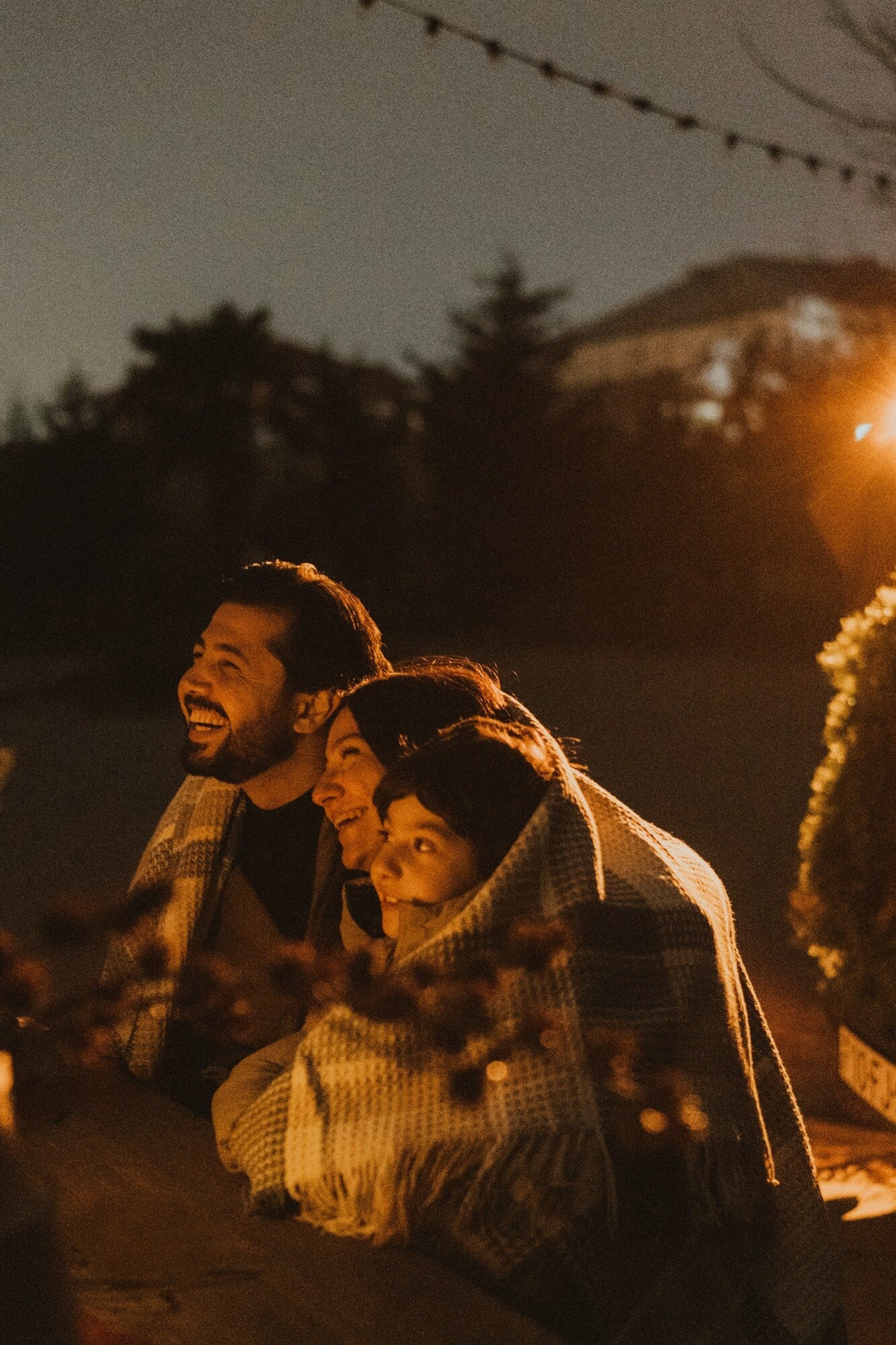
Hygge is the Danish art of cosiness and contentment: candles, warm drinks, soft blankets, good company and a feeling of being sheltered and at ease. It is often associated with being indoors in winter, but it works beautifully outside too: a sheltered corner, a blanket, a warm drink and the dark garden around you.
Borrow it: make one outdoor spot properly cosy, with warmth, soft light and somewhere comfortable to sit.
Uitwaaien (Netherlands)
Uitwaaien means, roughly, "to walk in the wind". It is the Dutch habit of going out into blustery weather, often along the coast or across open countryside, to clear your head. The idea is that the wind blows away the cobwebs, both literally and figuratively.
Borrow it: next time it is windy and you are feeling stuck, go out for a brisk walk rather than waiting for it to calm down.
Shinrin-yoku (Japan)
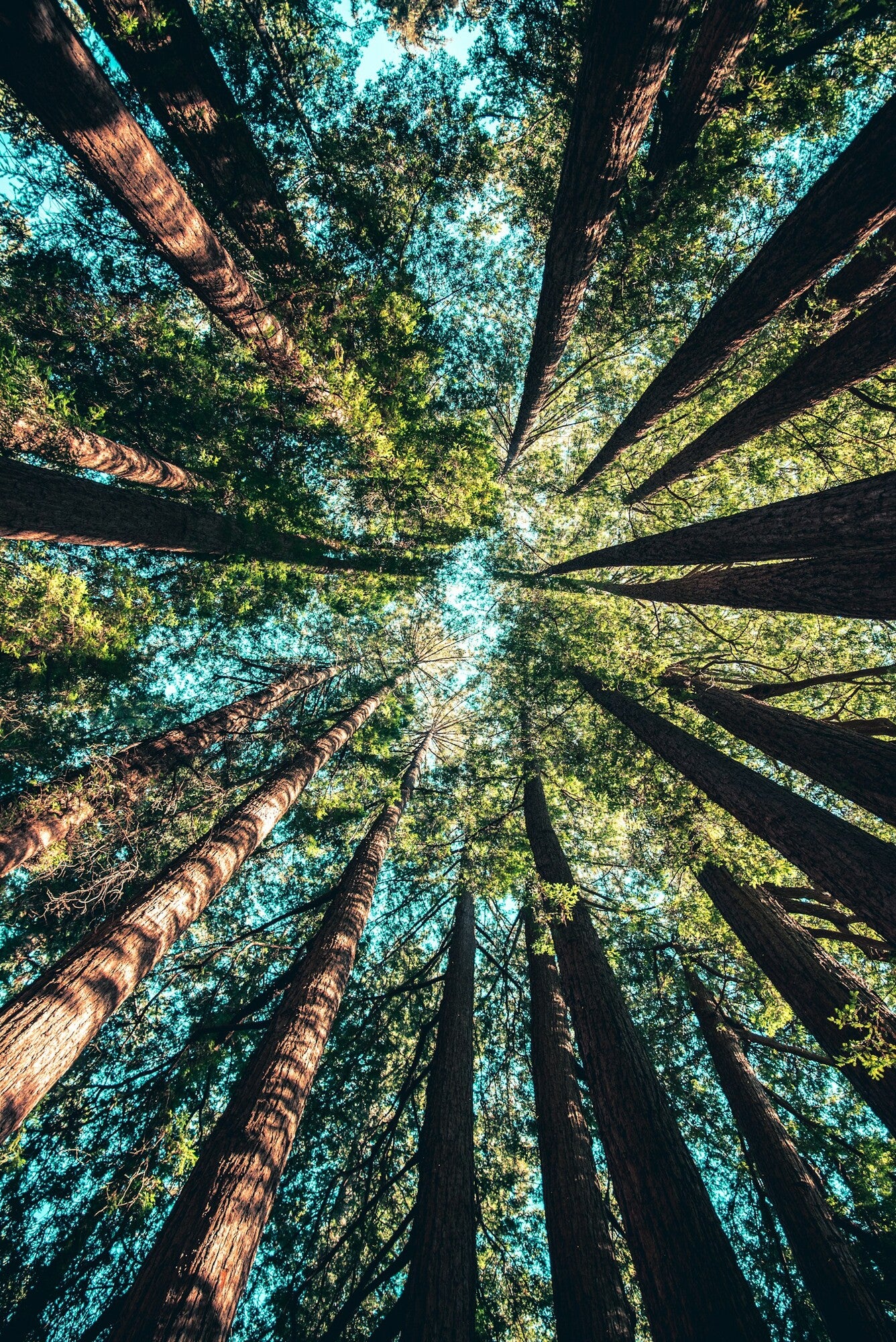
Forest bathing, from the Japanese shinrin-yoku, means spending slow, mindful time among trees, taking in the forest through all your senses. It was promoted in Japan from the 1980s as a public health practice, and there has since been a good deal of research into its effects on stress and mood.
Borrow it: find some trees, walk slowly, and pay attention to what you see, hear and smell. No destination needed.
Sobremesa (Spain)
Sobremesa is the time spent lingering at the table after a meal, talking, drinking coffee, in no hurry to get up. It often happens outside, on a terrace, in the shade.
Borrow it: eat outside when you can, and do not rush to clear the table.
Lagom (Sweden)
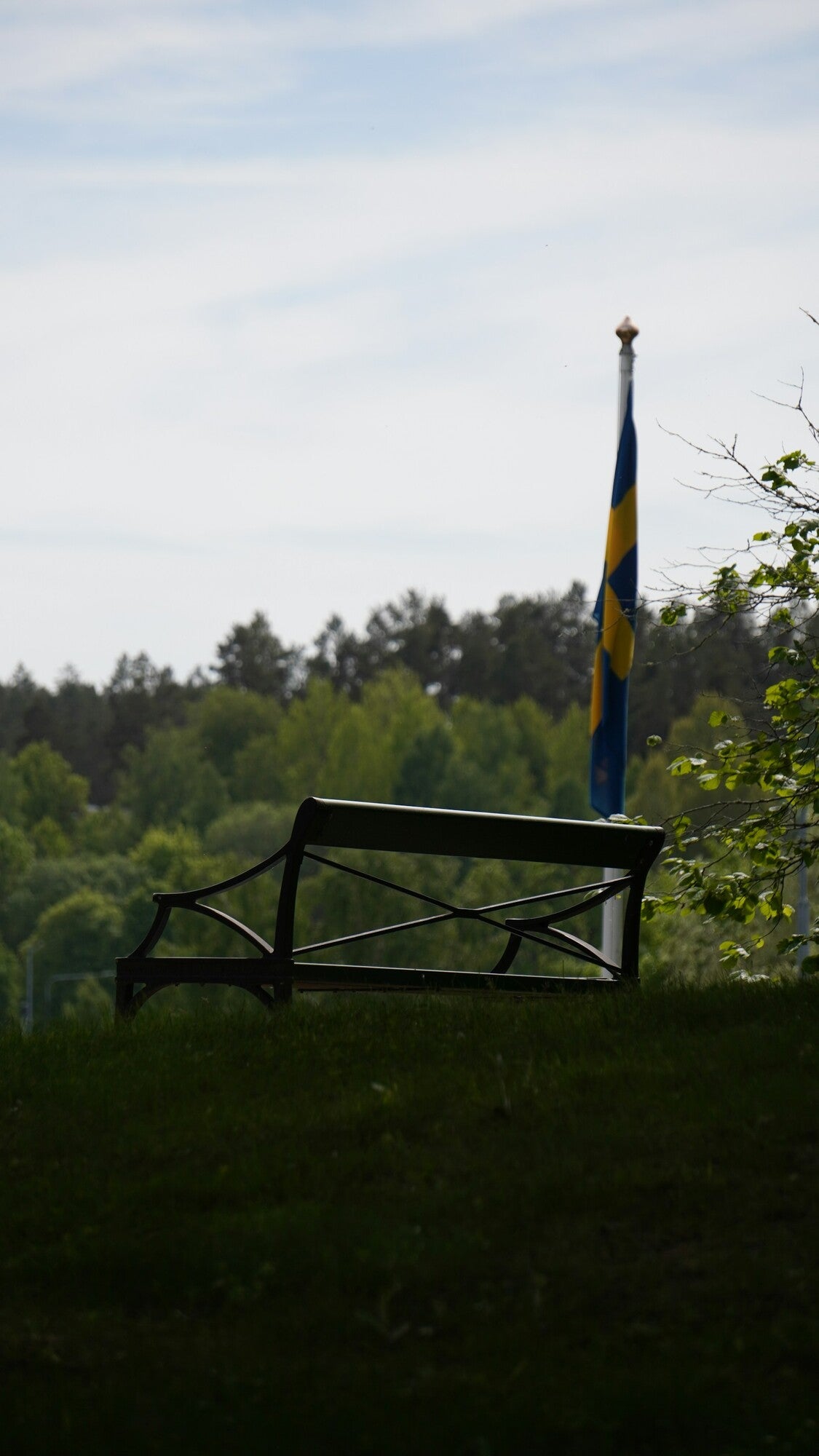
Lagom means "just the right amount", not too much, not too little. Applied to the outdoors, it is about regular, moderate time outside rather than occasional big efforts.
Borrow it: aim for a little time outside every day rather than a big walk once a month.
What They Have in Common
Look at all of these together and a pattern emerges. Time outdoors is treated as normal and regular, not as an occasional treat. Weather is something to dress for, not a reason to stay in. Comfort and sociability matter. And slowness is valued.
None of these ideas need a mountain, a forest or a fjord. They can all be practised in a back garden: a cosy corner under a roof, a meal that lingers, a walk in the wind, a few minutes among the trees. The words are foreign. The habits travel well.
Closer to Home
The UK has its own traditions of life outside, even if we do not have a single word for them. The Sunday walk. The pub garden in all weathers. The allotment. Bonfire night. Boxing Day on the beach. The flask of tea in a lay-by with a view. The seaside promenade in February.
Perhaps what is missing is not the habit but the permission: the idea that being outside in cold, damp weather is something to enjoy rather than endure. That is what friluftsliv and uitwaaien really offer. They treat the weather as part of the experience rather than an obstacle to it.
Making Space for It at Home
All of these ideas are easier with somewhere sheltered close to home. A covered space lets you practise a little hygge outdoors on a winter evening, linger over sobremesa after Sunday lunch whatever the forecast, and step out for a breath of air on a blustery day without getting soaked.
Quick Answers
Do I need special clothes? Good waterproofs, warm layers and decent footwear make the biggest difference. Nothing technical is needed for a garden or a local walk.
Is it safe to go out in very bad weather? Use common sense. Avoid walking near trees in high winds, and stay away from exposed coastlines in storms. Uitwaaien is about a bracing walk, not taking risks.
Where can I try forest bathing? Any woodland will do. Many National Trust and Forestry England sites have quiet woodland trails, and some offer guided sessions.
Want a sheltered spot to enjoy more of this?
Book a free virtual appointment and we'll talk through a covered space that suits your garden and the way you use it — no pressure, just straight advice.


